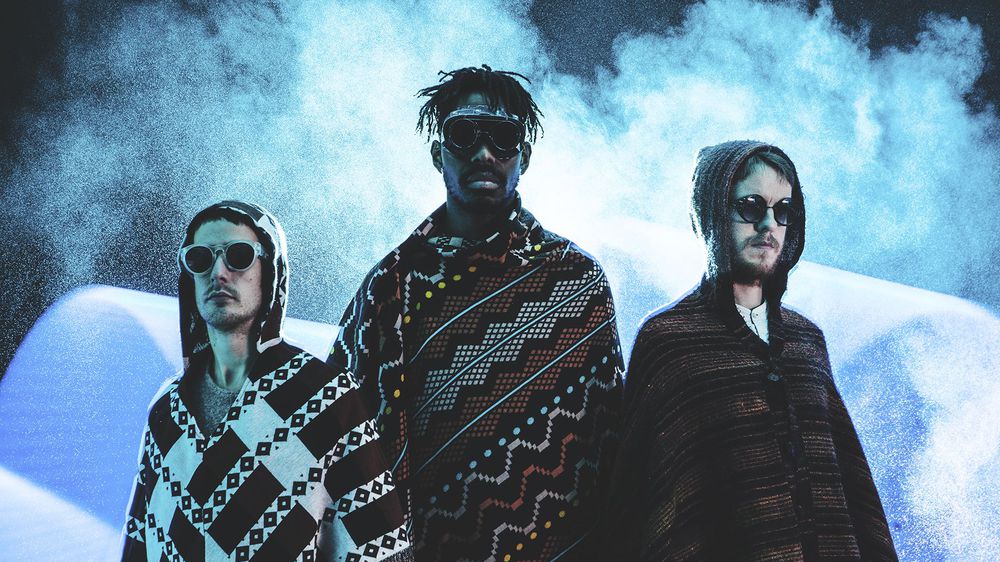

Finally. If you’ve been eagerly awaiting more music from Warming since “White Lies” was released in early 2018, this is it. After a powerful barrage of singles, Warming’s self-titled album is here, and it’s everything if not more than anticipated.
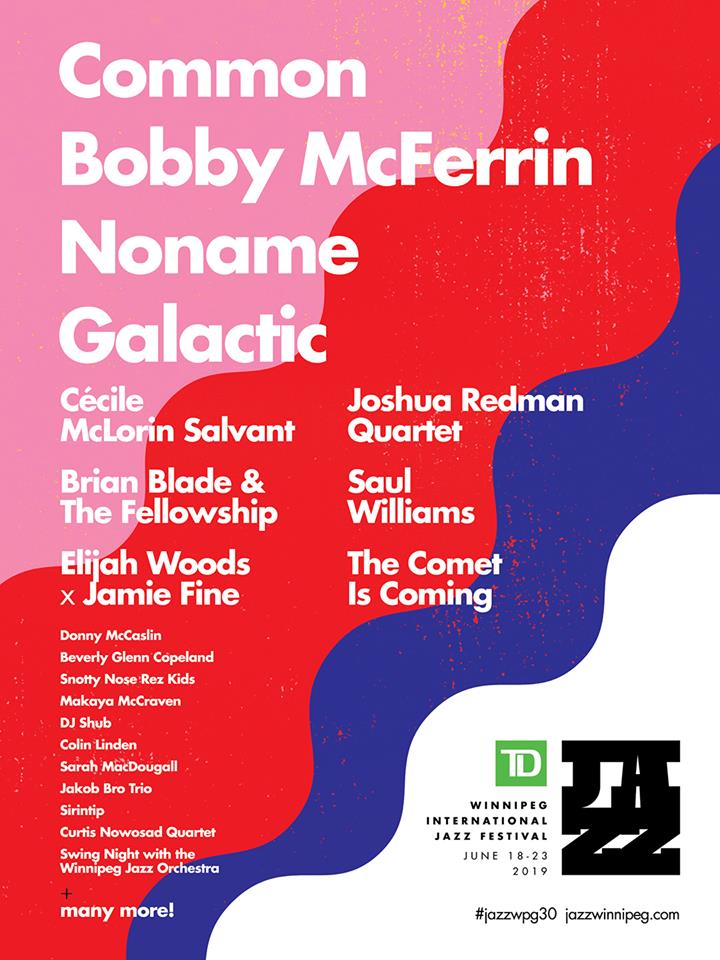
2019 marks the 30th birthday of the Winnipeg Jazz Festival and this year has some exciting new events. Mike Falk, Jazz Winnipeg’s artistic director has been hard at work overseeing the production of the festival from the PA systems to the port-o-pottys and all points in-between.
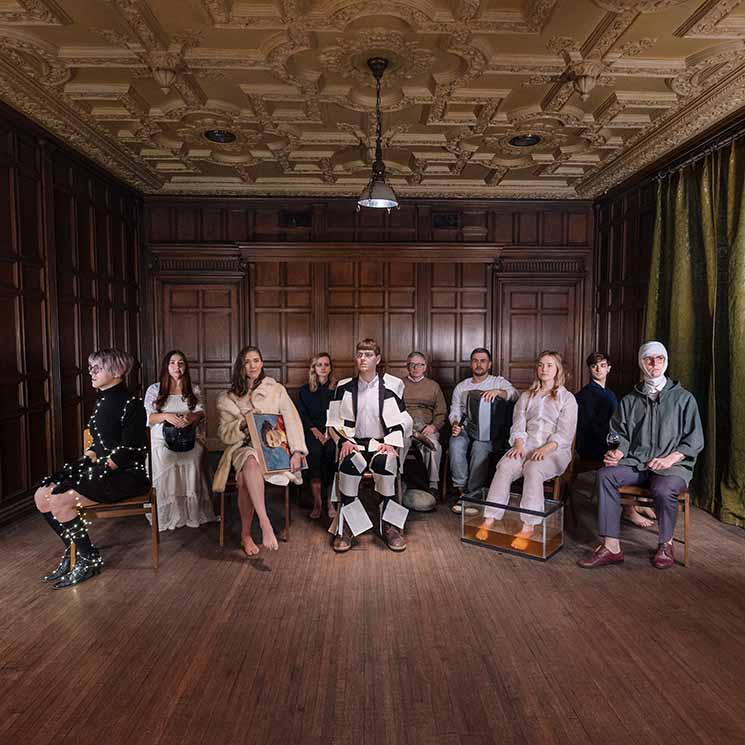
On Yes We Mystic’s sophomore album Ten Seated Figures, Winnipeg quintet (or are there ten of them?) create an album that is broad and epic in sound and concept.
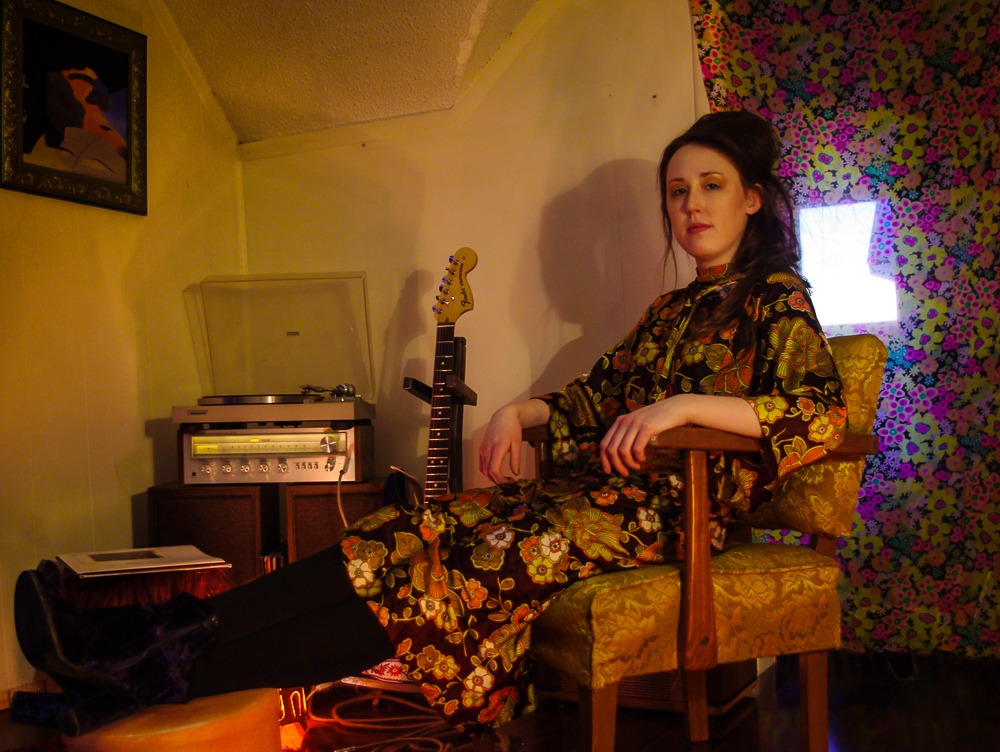
Although Paige Drobot is no stranger to the Manitoba Music scene, Zero Thought presents us with the first intimate look at the artist via her first solo EP. Scheduled for release on June 7th through local label Transistor 66, Zero Thought provides a thoroughly existentialist journey that becomes increasingly hard to pin to any specific style or genre as each track utilizes a specific voice and diverse melange of instrumentals.
“Let it Fall”, the new single from Anthony OKS is a reflective and contemplative song. The beat, produced by OKS’ main collaborator, Paalsh, is anchored by a solid bass line but flourishes in the piano work by Mark Kolt. Anthony rocks a slower cadence but also shows off some of his singing ability in the hook. There is also a female vocal line sung by Joanna Majoko through the chorus that gives the whole song a dreamy vibe. The video, directed by Nic Kriellaars, is deceptively simple but has satisfying layers like a visual baklava.
Complexion is the long awaited debut LP by Winnipeg noise-punk trio Tunic. Released as the product of a group who built their sound over the last 5 years across multiple single/EP releases, Complexion creates a polarizing, heart-racing sound that treads a new path in the world of punk.
Toronto band Greys adds the electro post-punk Age Hasn’t Spoiled You to their discography. This blend of instrumental slamming and electronic fuzz wavers through dark melodies and jam tracks.
Stylus: When did you decide you wanted to rap? Was there any particular time, event, or person that especially influenced your decision to choose to make rap music?
McKinley Dixon : I started rapping in my second year of high school and then ever since 2010-2011, I kinda had the idea of incorporating a lot instrumentation into it and a lot of political messages but I didn’t have the vocabulary. It wasn’t until I branched out and moved to different places, including where I’m at now in Richmond, that I found communities and more stories and intersectional dialogue and identities than what I was used to. That’s kinda influenced where I’m at now with my music.